

IN SUMMARY
If you’re confused about the Queensland property market right now, you’re not alone.
I’m hearing everything from “the market is crashing” to “now is the best time to buy”, sometimes even from different people assessing the same location. The problem is that most of this commentary treats the property market as one market, moving in one direction. It isn’t.
As both a Queensland Buyers Agent and Property Manager, I see this from both sides of the transaction: buyers trying to secure the right property and landlords managing their existing assets.
So rather than trying to predict what might happen next, I think property buyers are better served by looking at the data, comparable sales and what’s actually happening in the particular market they want to buy into.
There's No Such Thing As “The” Queensland Property Market
This is probably the most important thing buyers need to understand.
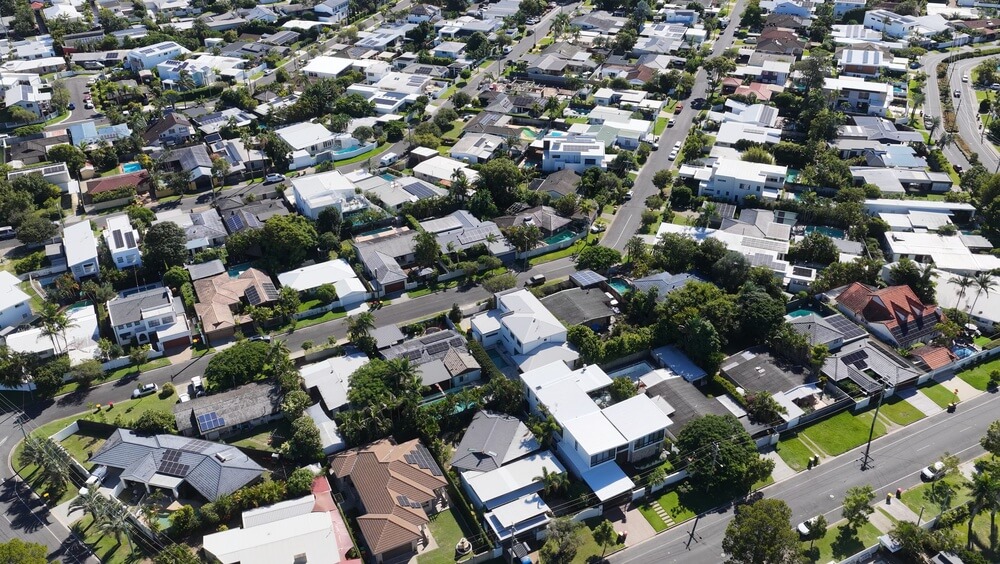
Different regions behave differently. Different price brackets behave differently. Even different properties within the same suburb can experience very different levels of demand.
Right now, I’m seeing three broad markets playing out.
- At the prestige end, confidence has softened and buyers are negotiating harder. From what I’ve seen, there’s less urgency and more willingness to test vendors with lower offers.
- Through the middle of the market, more stock is becoming available, and some properties are taking longer to sell. I’m also seeing some sellers come to market because they’re concerned about what might happen next.
- At the lower end, including first-home buyer and investor price brackets, there’s still plenty of activity and competition.
That’s why headlines that say “property is falling” or “Queensland is booming” tell you very little on their own. The question isn’t simply what the market is doing. It’s what is the market in each particular segment doing?
This raises the obvious question: if opportunities still exist in these different market segments, why are so many buyers still sitting it out?

Why Are So Many Queensland Property Buyers Waiting Right Now?
Confidence. Or more accurately, a lack of it.
There’s an enormous amount of noise around Queensland property at the moment:
- interest rates
- policy changes
- affordability concerns
- housing supply
- predictions about where prices might go next
I’m even speaking with buyers in Queensland right now who already have pre-approved finance but have decided to wait because somebody at a recent family event told them prices could fall substantially further.
The lending data reflects that hesitation. According to Loan Market Group’s July 2026 market report, total home loan lodgements are down 26% nationally since the recent federal budget changes.
To break that down further:
- investor lodgements are down 35% nationally and down 41% in Queensland
- first-home-buyer lodgements are down 23% nationally and down 31% in Queensland
Those are significant numbers. Mortgage brokers are also telling clients to sit tight, and Accountants are far too busy restructuring business entities.
But fewer buyers in the market doesn’t automatically mean there are no opportunities. In some circumstances, it can mean exactly the opposite.

A Quieter Market Can Create Real Opportunities for Prepared Buyers
I’ve worked through multiple property cycles during my career as a Queensland Buyers Agent and Property Manager. One thing I’ve learned is that some of the strongest negotiations happen when other buyers are uncertain.
When property buyer numbers fall:
- there can be more properties to choose from
- fewer people are attending open homes
- emotional pressure can ease
- vendors may be more willing to consider realistic offers
The best property deals in Queensland often happen when confidence is low.
But that doesn’t mean every time we experience a soft market is automatically a buying opportunity, and it certainly doesn’t mean you should rush out and buy simply because sentiment has changed.
What it means is ensuring you’re still assessing each property on its fundamentals: comparable sales, location, price and long-term suitability.

There’s no bell at the bottom of the property market
You don’t need to know when the market is at the bottom to make the right decision. Nobody rings a bell when the market hits its low point.
Usually, by the time everyone agrees it’s there, conditions have already shifted and the buyers who waited for certainty have missed the window.
So, stop trying to pick the bottom. I never do.
If the property you’re looking at is right, the comparable sales support the price and it aligns with your long-term strategy, that matters more than trying to predict precisely what the market will do next month.
The Housing Shortage Hasn't Gone Anywhere
Short-term sentiment also needs to be considered alongside the bigger supply picture.
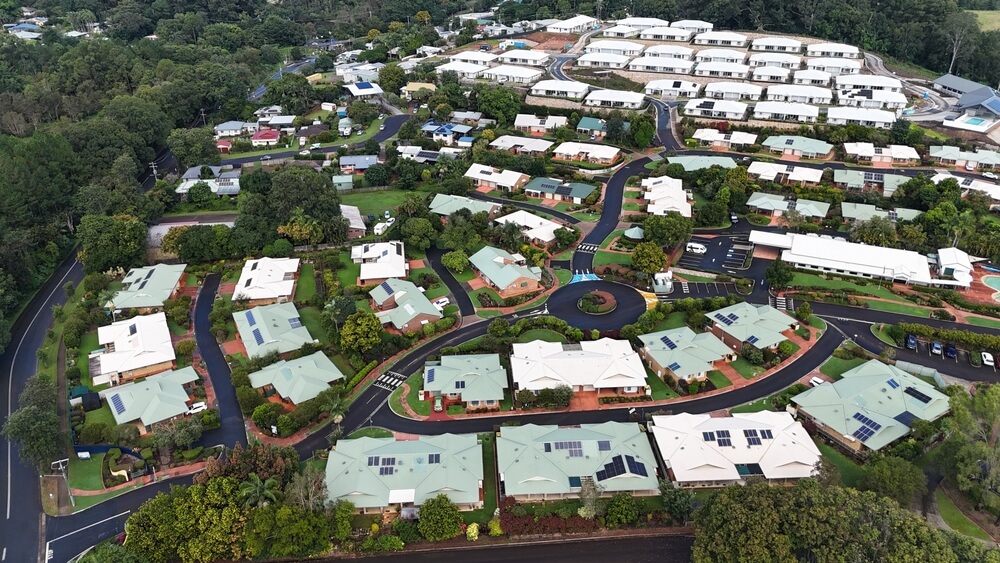
- Queensland still faces a housing supply problem
- Construction costs remain high
- Rental vacancy rates remain tight in many areas
- Adding new supply remains genuinely challenging
From the property management side of things, I also see the pressure ownership costs are putting on landlords.
Most of the landlords I deal with aren’t big institutional investors. They’re everyday people who own one or two properties. When council rates, insurance and maintenance costs rise, those pressures eventually flow through to rental pricing decisions too.
That's why only looking at one or two short-term factors gives you a very distorted view of what's really happening in the market.
This raises another good point: not everyone offering an opinion on the property market is considering the full picture either. That neighbour who told you now is a terrible time to buy is probably basing that off what they saw on the evening news.
If you want to understand what’s really happening, stick to talking to the experts and the people who are working in property every single day.
So, Is Now a Good Time to Buy Property in Queensland?
There’s no universal answer.
For some property buyers, waiting may genuinely be the right call. For others, current conditions may create opportunities that were much harder to secure when open homes were crowded and buyers were competing aggressively.
Whatever your decision, don’t make it based on fear or guessing.
Look at the property, the price and the numbers. If they stack up and the property suits your long-term strategy, it may be worth pursuing.
That’s where good advice becomes particularly valuable in an uncertain market. A good Buyers Agent won’t just tell you everything’s fantastic, but they won’t tell you everything’s terrible either.
As an experienced Buyers Agent in Queensland, my job is to cut through the noise, assess what's actually happening and help you decide based on evidence, not headlines.

How Worth Property Investing Helps You Cut Through the Noise
Buying (or holding) property in a market like this isn’t about predicting the bottom. It’s about making decisions based on clear data, not emotion.
With 25 years’ experience buying real estate, my approach hasn’t changed just because the headlines have gotten louder.
Here’s how I support you through it:
✅ I assess comparable sales and current market evidence rather than making predictions
✅ I guide you through our proven Five-Step Method, so decisions are structured, not rushed
✅ I negotiate beyond price, including terms, conditions and timing
✅ As both a Buyers Agent and Property Manager, I see the full picture, from purchase through to long-term performance
After more than two decades buying property, I’ve seen markets rise, fall, plateau and recover. Whatever the situation, the headlines don’t matter. The fundamentals are what’s really important.

FAQ: Understanding The Queensland Property Market Right Now
Is the Queensland property market crashing?
Not as one single market. The picture is mixed rather than clear-cut. The prestige and middle markets have softened in places, while the entry-level segment remains active and competitive. Treating Queensland as a single market, rather than several distinct micro-markets, is where most of the confusion comes from.
Is now a good time to buy property in Queensland?
There’s no universal answer. It depends on the individual property, price, location and your long-term strategy, not on timing the bottom, which nobody can reliably do. Working through a structured process helps you judge each opportunity on its fundamentals rather than public sentiment.
How can I tell if property advice is reliable?
Look for comparable sales, current market data and a verifiable track record, not projections, algorithms or promises that sound too good to be true. An experienced Queensland Buyers Agent should be able to explain the reasoning behind every recommendation, not just the outcome.
At Worth Property Investing, that means assessing each opportunity against the local market, recent sales, the property’s fundamentals and the buyer’s long-term goals.
If you’re considering buying property in Queensland, speak with our team before you commit to understand how the opportunity stacks up.
Should I wait for the market to “bottom out” before buying?
Nobody reliably knows when the market has hit the bottom until after conditions have already shifted. Waiting for absolute certainty can mean re-entering the market once competition has already returned. That’s why I prefer to assess individual opportunities on their fundamentals.

Final Thoughts: Don’t Wait for Certainty, Look at The Data
There’s plenty of uncertainty in the Queensland property market right now. But uncertainty and opportunity can exist at the same time.
At Worth Property Investing, the focus isn’t on telling you what you want to hear. It’s on giving you the right data and offering the right experience and advice to make a confident decision, whatever the headlines are saying.
Your investment deserves proper guidance, not shortcuts, guesswork or fantasy projections.
Simon Read – Worth Property Investing
Please note: This article is not to be considered financial or investment advice and is not intended as financial or investment advice as it does not take into account your specific circumstances. For specific financial or investment advice, speak to your financial advisor.